
TECHNIQUE
Cut away from yourself
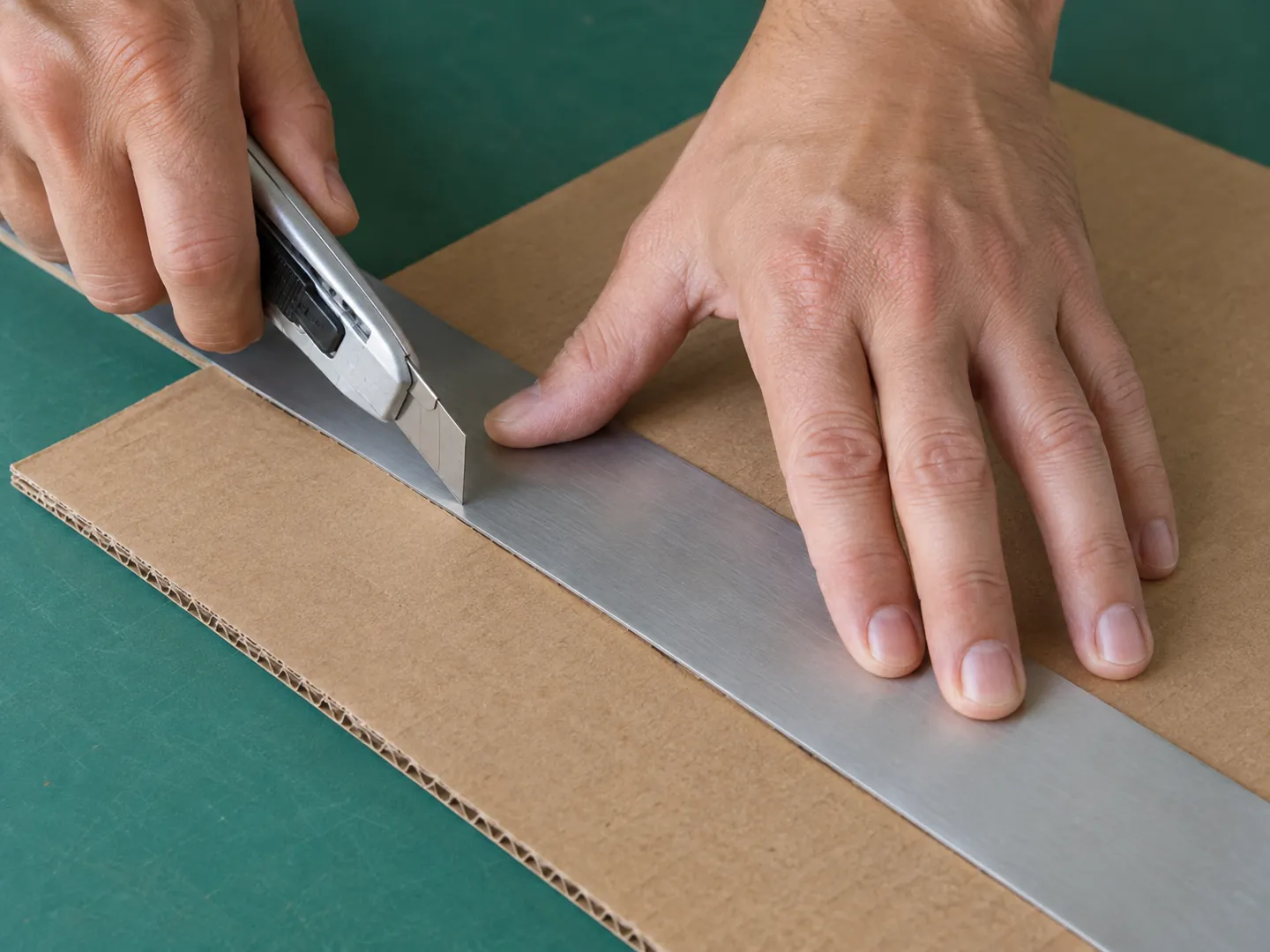
HSE guidance on hand knives says training should cover cutting away from the body and the dangers of blunt knives.
Four habits doodlecutter
00WHAT THE GUIDANCE SAYS
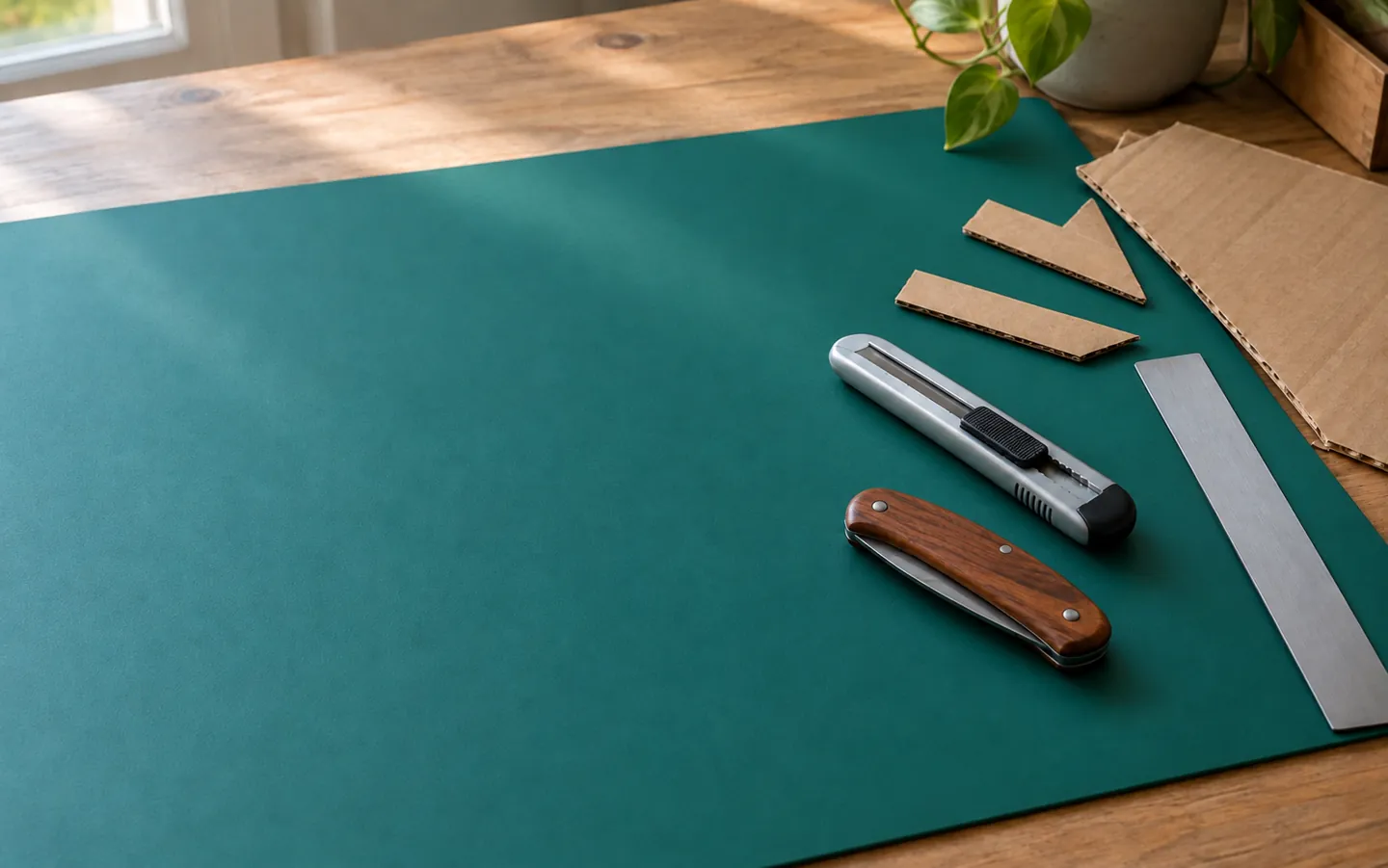
A cutter is only as safe as how you use it.
Workplace safety guidance points to retractable blades, cutting away from the body and somewhere safe for old blades. The law adds one more thing to know: a blade in your pocket in public is not always allowed.
Check your blade01Principles
02THE SHORT ANSWER
HSE guidance focuses on the tool and the technique.
The law covers what happens outside your door.
TECHNIQUE
HSE guidance on hand knives says training should cover cutting away from the body and the dangers of blunt knives.
Four habitsTHE LAW
In England and Wales, having a bladed article in public is an offence, except a folding pocketknife with a cutting edge of 3 inches or less. Lock knives are not exempt.
Check your bladeFIRST AID
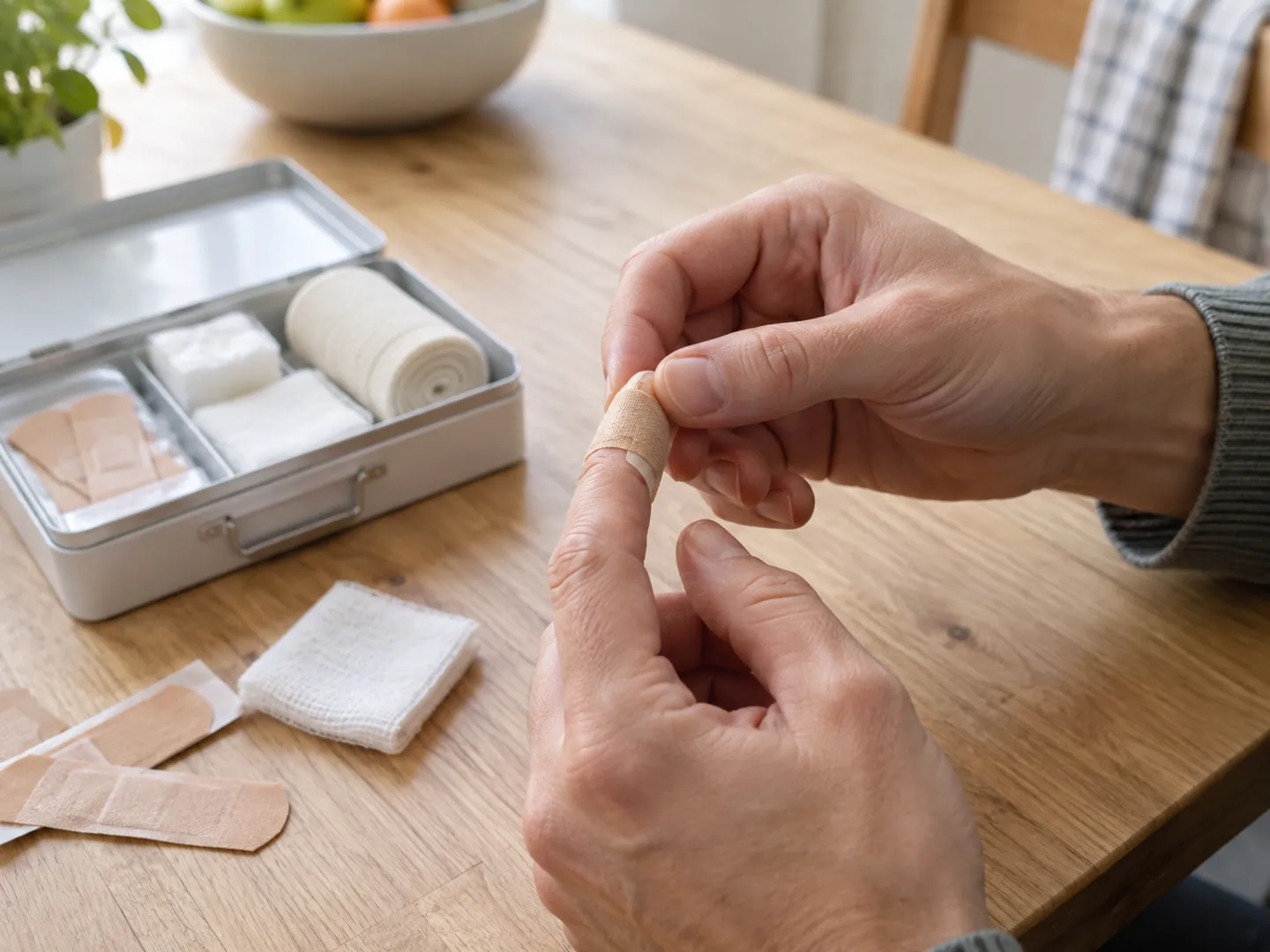
The NHS says to treat a cut by stopping the bleeding, cleaning it and covering it with a plaster or dressing.
When to get help03A QUICK BLADE CHECK
Pick the blade and the situation. The bar shows how strongly the rules restrict carrying it in a public place in England and Wales.
General information from GOV.UK and the Criminal Justice Act 1988, not legal advice. A court decides whether a reason is good enough.
04TWO NUMBERS WORTH KNOWING
One for the blade in your pocket,
one for the cut on your hand.
3 inches
Longest exempt folding pocketknife edge
The offence applies to a folding pocketknife if the cutting edge of its blade exceeds 3 inches. GOV.UK adds that lock knives are not exempt, whatever their length.
THE LAW · CJA 1988 s139
≈ 5 cm
Cut size that needs an urgent check
The NHS says to ask for an urgent GP appointment or get help from NHS 111 if a cut is larger than around 5cm (2 inches), or still dirty after cleaning.
FIRST AID · NHS
Call 999 or go to A&E if you cannot stop the bleeding, or if blood comes out in spurts and is bright red and hard to control. The NHS says not to drive yourself to A&E.
05FOUR HABITS TO TRY
These come from HSE guidance written for workplaces, but they fit a craft table or a pile of delivery boxes just as well.
HSE suggests retractable blades, round-ended blades where a point is not needed, and scissors or other safer tools where they will do the job.
HSE says training should cover cutting away from the body, so keep the blade's path pointing away from you on every stroke.
HSE lists the dangers of blunt knives among the things people should be trained on.
HSE recommends providing disposal points for used blades, such as sharps containers.
06BUYING A BLADE
GOV.UK says most knives cannot be sold to anyone under 18. In Scotland, 16 and 17 year olds may be sold cutlery and kitchen knives.
Some knives cannot be sold, owned or given away at all, including flick knives, gravity knives, butterfly knives and zombie-style knives. Using any knife in a threatening way is illegal.
07Questions
GOV.UK says folding pocketknives are exempt from the carrying rule if the cutting edge is no longer than 3 inches and they are not lock knives. Other knives need a good reason, such as use at work.
GOV.UK describes lock knives as folding knives with a button, spring or catch that you have to use to fold them. They are not covered by the pocketknife exemption.
The Criminal Justice Act 1988 makes it a defence to prove you had a bladed article with you for use at work. GOV.UK notes a court decides whether a reason is good enough if you are charged.
The NHS says to stop the bleeding by pressing with a bandage or clean folded cloth, rinse the wound with tap or bottled water or sterile wipes, and cover it with a plaster or dressing.
The NHS says to get an urgent GP appointment or use NHS 111 if a cut is larger than around 5cm or still dirty after cleaning, and to call 999 or go to A&E if bleeding will not stop.
08Sources
ABOUT THIS NAME
doodlecutter.com is part of the DoodleSale portfolio. It isn't in an auction right now, but you can ask about leasing it.

